People do not buy buildings. They buy the life they imagine living inside them. This is obvious the moment it is said, and routinely forgotten the moment a development goes to market — when the brochure fills with square metres and finishes, and the one thing that actually moves a buyer goes missing.
The specification trap
Real estate marketing has a default setting, and it is specification. Bedrooms, bathrooms, square metres, ceiling heights, the brand of the kitchen appliances. This information matters — no one commits without it — but it reassures rather than persuades.
Specification answers the question ‘is this adequate?’ when the buyer is really asking ‘is this me?’ A development that leads with specification is competing on a spreadsheet, where the only variables are size and price. That is a race no premium project should want to run.
A home is a decision about identity
Buying a home, particularly at the upper end of the market, is one of the most identity-laden decisions a person makes. It says something about who they are, how they live, and who they intend to become.
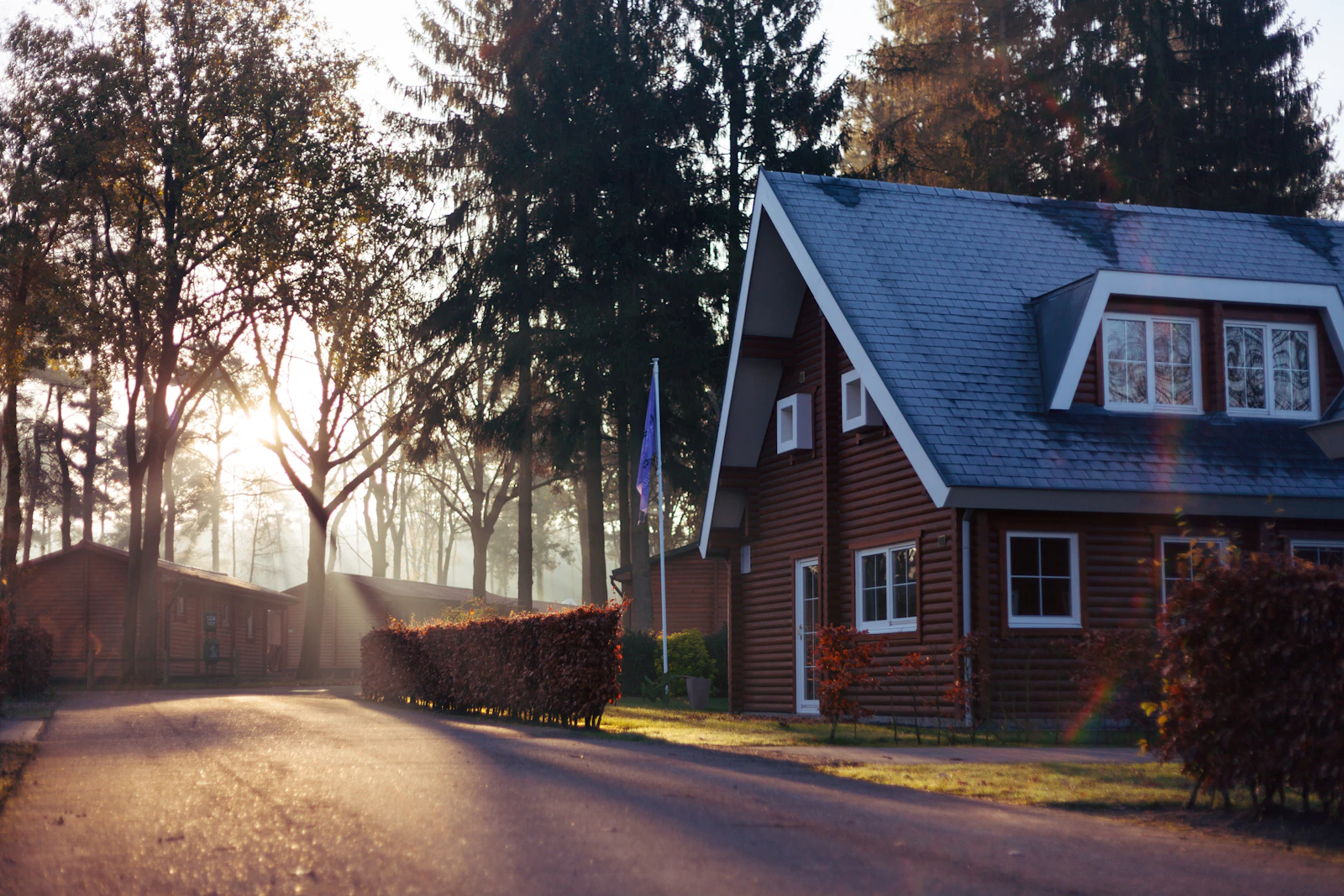
The neighbourhood, the architecture, the light in the morning, the walk to the café — these are not amenities. They are the raw material of a self-image. The developers who understand this stop describing the property and start describing the person who belongs in it, reflecting the buyer’s own aspirations back with enough precision to feel true.
A floor plan tells a buyer what they are getting. A story tells them who they will become.
Place is the product
In the end, people do not live in apartments. They live in neighbourhoods, in routines, in a particular quality of daily life. The building is only the stage.
The most compelling real estate stories zoom out from the four walls and into the world around them: the texture of the street, the character of the district, the kind of mornings and evenings the place makes possible. Place is the product, and the property is simply how you buy your way into it. A development that tells the story of its place — honestly, specifically, without exaggeration — gives the buyer something a floor plan never can: a reason to belong.
The role of restraint
There is a temptation, in premium real estate, to reach for superlatives. World-class. Unparalleled. Iconic. The vocabulary of luxury property has become so inflated that it now communicates almost nothing.
Restraint is far more persuasive. A confident development does not need to tell you it is exceptional; it shows you, through the quality of its images, the precision of its language, and the things it chooses not to say. Understatement signals security. It tells the buyer the project does not need to convince them, which is, paradoxically, the most convincing thing it can do.
Marketing the intangible
The hardest part of selling place rather than property is that the valuable thing is intangible. You cannot photograph a feeling of belonging or put a sense of calm on a floor plan. This is where craft earns its keep — in writing that evokes without overclaiming, in photography that captures atmosphere rather than inventory, in a brand that holds a consistent mood from the hoarding to the handover.
Done well, it does not feel like marketing at all. It feels like a quiet, accurate description of a life the buyer already half-wanted. That is the work: to name the aspiration before the buyer can, and to do it with enough restraint that they believe it. The facts will always have their place. But facts do not move people — meaning does.
Key takeaways
- Buyers choose a way of living long before a floor plan.
- Specifications reassure, but they rarely persuade.
- Sell the place and the life around it, not just the property.
- Restraint signals confidence in premium real estate.
- The valuable thing is intangible; craft is how you market it.